30 November 2013

Worth a Thousand Words: Libraries of the World


Merton College Library, Oxford

CNN now has up a lovely collection of photographs of libraries throughout the world. It is always interesting to see the wide variations in style and architecture of library buildings, especially those that were constructed as works of art in themselves (I personally can never concentrate on research in the more ornate spaces). Like churches, the great libraries of the world were designed to lift up the mind and soul. See the rest here.

17 October 2013

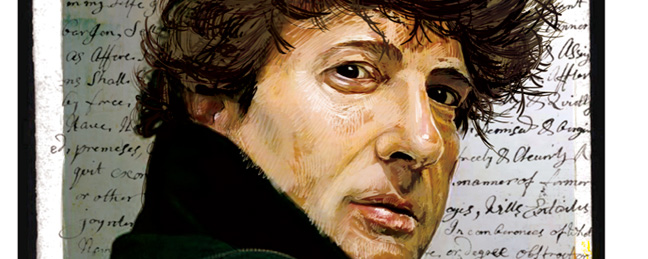
Neil Gaiman: Why Our Future Depends on Libraries, Reading, and Daydreaming


For the 'reasons to read fiction' files:

 "...the second thing fiction does is to build empathy. When you watch TV or see a film, you are looking at things happening to other people. Prose fiction is something you build up from 26 letters and a handful of punctuation marks, and you, and you alone, using you imagination, create a world and people it and look out through their eyes. You get to feel things, visit places and worlds you would never otherwise know. You learn that everyone else out there is a me, as well. You're becoming someone else, and when you return to your own world, you're going to be slightly changed. 

Empathy is a tool for building people into groups, for allowing us to function as more than self-obsessed individuals."

On the digital divide:

"I do not believe that all books will or should migrate onto screens: as Douglas Adams once pointed out to me, more than 20 years before the Kindle turned up, a physical book is like a shark. Sharks are old; there were sharks in the ocean before the dinosaurs. And the reason there are still sharks around is that sharks are better at being sharks than anything else is. Physical books are tough, hard to destroy, bath-resistant, solar-operated, feel good in your hand; they are good at being books, and there will always be a place for them."

And more:

"We writers -- and especially writers for children, but all writers -- have an obligation to our readers: it's the obligation to write true things, especially important when we are creating tales of people who do not exist in places that never were -- to understand that truth is not in what happen but what it tell us about who we are. Fiction is the lie that tells the truth, after all."

Read the whole thing here.

Related: MIT scientists discuss the importance of science fiction in nurturing inventors.

03 September 2013

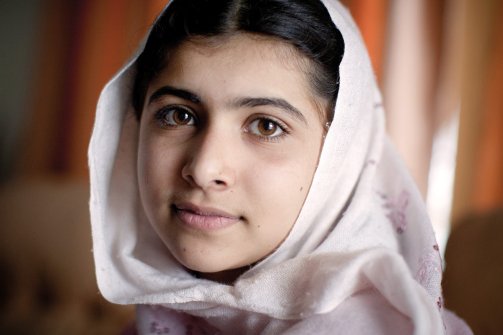
Malala Yousafzai: "Books Are Very Precious"


"Pens and books are the weapons that defeat terrorism. I truly believe the only way we can create global peace is through educating not only our minds, but our hearts and souls. This is the way forward to our destiny of peace and prosperity.

Dear sisters and brothers, Books are very precious. Some books can travel you back centuries and some take you into the future. In some books, you will visit the core of your heart and in others you will go into the universe. Books keep ones feelings alive. Aristotle's words are still breathing, Rumi's poetry will always inspire and Shakespeare's soul will never die.

There is no better way to explain the importance of book than to say that even God chose the medium of a book to send His message to His people."

Read more here.

28 August 2013

The Quotable Flannery O'Connor


"I write the way I do because (not though) I am a Catholic. This is a fact and nothing covers it like the bald statement. However, I am a Catholic peculiarly possessed of the modern consciousness, that thing Jung describes as unhistorical, solitary, and guilty. To possess this within the Church is to bear a burden, the necessary burden for the conscious Catholic. It's to feel the contemporary situation at the ultimate level. I think that the Church is the only thing that is going to make the terrible world we are coming to endurable; the only thing that makes the Church endurable is that it is somehow the body of Christ and that on this we are fed. It seems to be a fact that you have to suffer as much from the Church as for it but if you believe in the divinity of Christ, you have to cherish the world at the same time that you struggle to endure it."

-From a letter to 'A,' 20 July 1955

28 July 2013

Virgin Mary: Book of the Word of God


"The Virgin Mary is called βιβλος του λογου της ζωης (the "book of the Word of life") by the Greek Church. The book of the Gospel, the book of Christ's origins and life, can be written and proclaimed because God has first written his living Word in the living book of the Virgin's being, which she has offered to her Lord in all its purity and humility-the whiteness of a chaste, empty page. If the name of Mary does not often appear in the pages of the Gospel as evident participant in the action, it is because she is the human ground of humility and obedience upon which every letter of Christ's life is written. She is the Theotokos, too, in the sense that she is the book that bears, and is inscribed with, the Word of God. She keeps her silence that he might resonate the more plainly within her."

-Erasmo Leiva Merikakis, Fire of Mercy, Heart of the Word: Meditations on the Gospel According to Matthew